
By Bronwen Mayer Henry, Director, Leadership Institute
The world feels like it’s on fire.
Every day brings another headline about violence, religious hatred, political division, or fear of the “other.” As an interfaith facilitator in Philadelphia, I often feel that tension acutely. I hold space for people to talk across differences at a moment when many are retreating into suspicion, isolation, or despair.
And yet—on a cold Sunday in February, while facilitating the Visionary Women program for Interfaith Philadelphia, I witnessed something that reminded me why this work matters now more than ever.
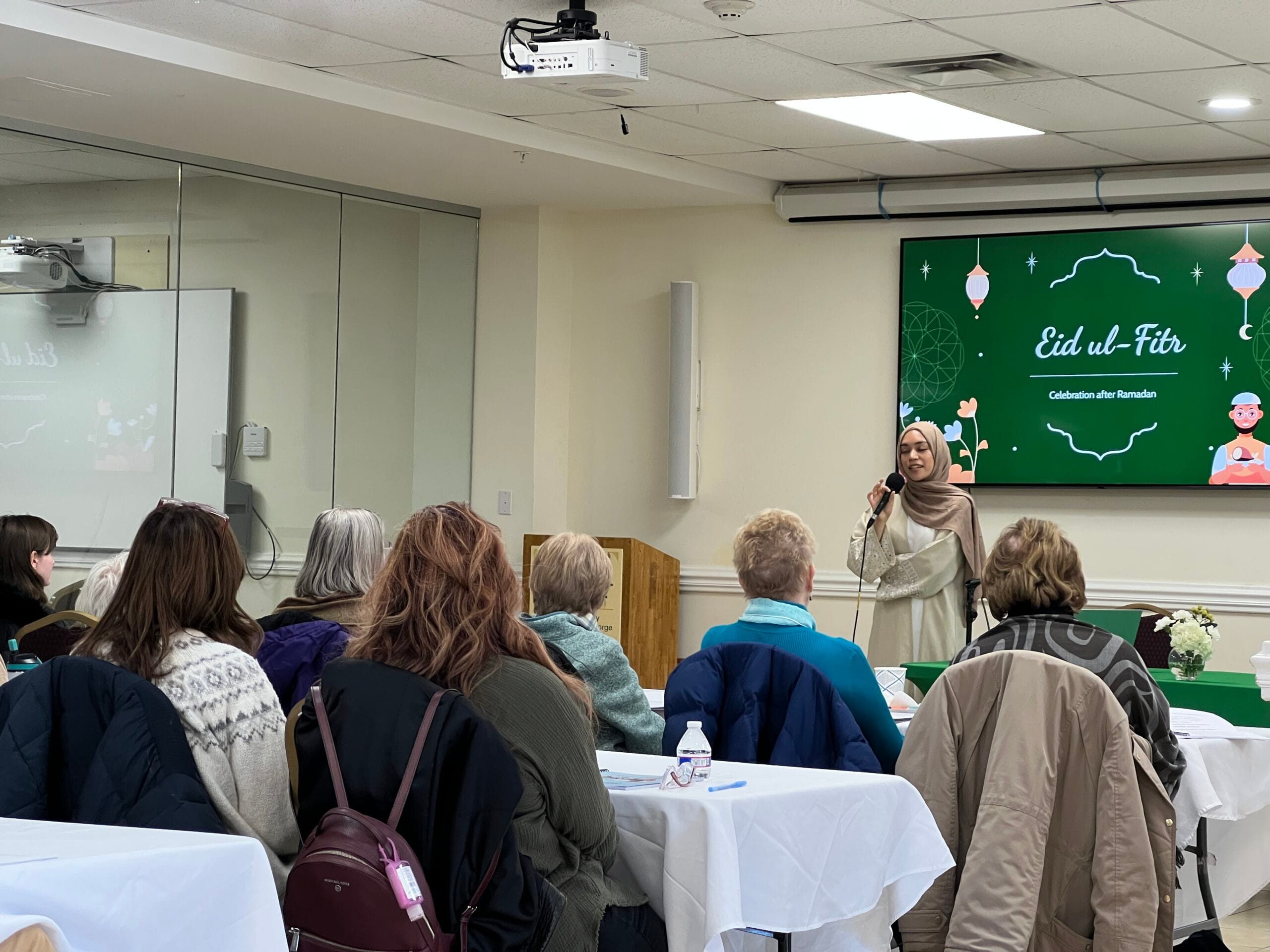
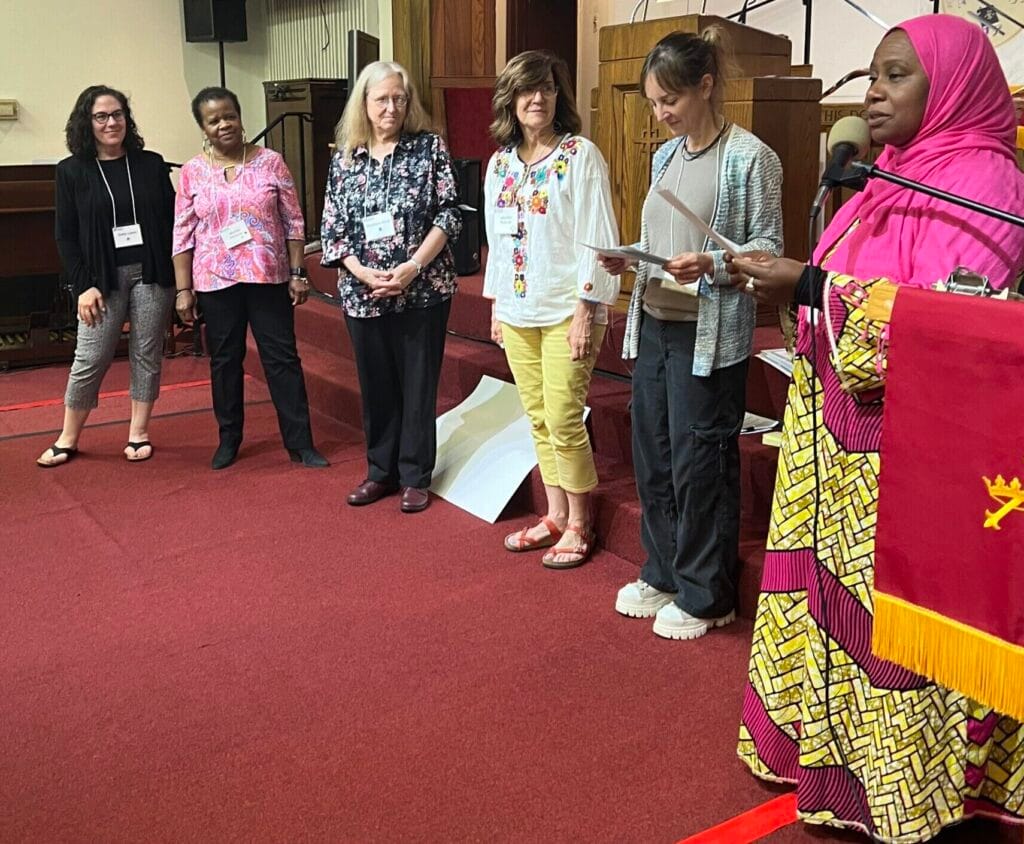
We were gathered at a mosque, with 40 women from more than ten different faith backgrounds. Christians, Jews, Muslims, Buddhists, seekers, and those still questioning sat together in a sacred space, many for the first time. Our opening speaker introduced Islam through the Five Pillars, spoke about Ramadan approaching, and described the beauty and discipline of the holiday’s observance.
Being an interfaith facilitator right now means holding hope and heartbreak at the same time. It means believing that relationships can do what rhetoric cannot. It means trusting that seeing one another fully—messy, funny, grieving, faithful, human—can slowly change how we move through the world.
She stood before us yesterday wearing that hijab, embodying a personal transformation that had unfolded not through argument or persuasion, but through relationship.
When I opened the program, I spoke about how most of us already know how to be good neighbors. If someone on our block experiences a house fire, an illness, or a loss, we rally. We bring meals. We check in. We show up. The work of Interfaith Philadelphia, and of programs like Visionary Women, is about expanding who we see as our neighbor. It’s about building relationships across differences so that people who may pray differently, dress differently, or understand the world differently still register in our hearts as our people.
Throughout the gathering, a panel of Muslim women shared their experiences of being Muslim in America. One moment in particular lingered with me. When asked what she most wanted others to understand, one panelist said simply: “I am a human just like you. I bleed just like you. I have heartache just like you. We are not foreign or strange. We are friends and neighbors.”
That longing—to be seen as human—lingered in the room.
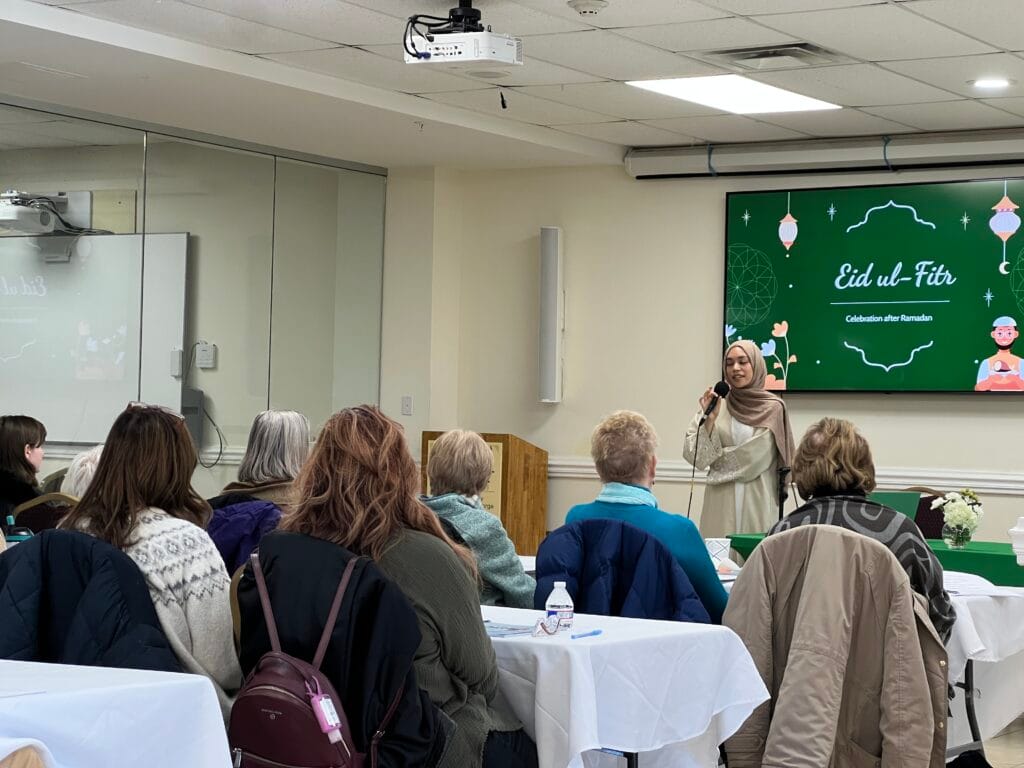
Other moments were quieter but no less powerful. A woman shared her love of golfing, and someone in the audience later reflected how that ordinary detail cracked open an assumption she didn’t even realize she was carrying. Another panelist told a childhood story about sneaking highlights into her hair during Ramadan because she knew her parents wouldn’t yell at her then. Laughter rippled through the room. These stories didn’t erase difference; they softened it, made it relatable.
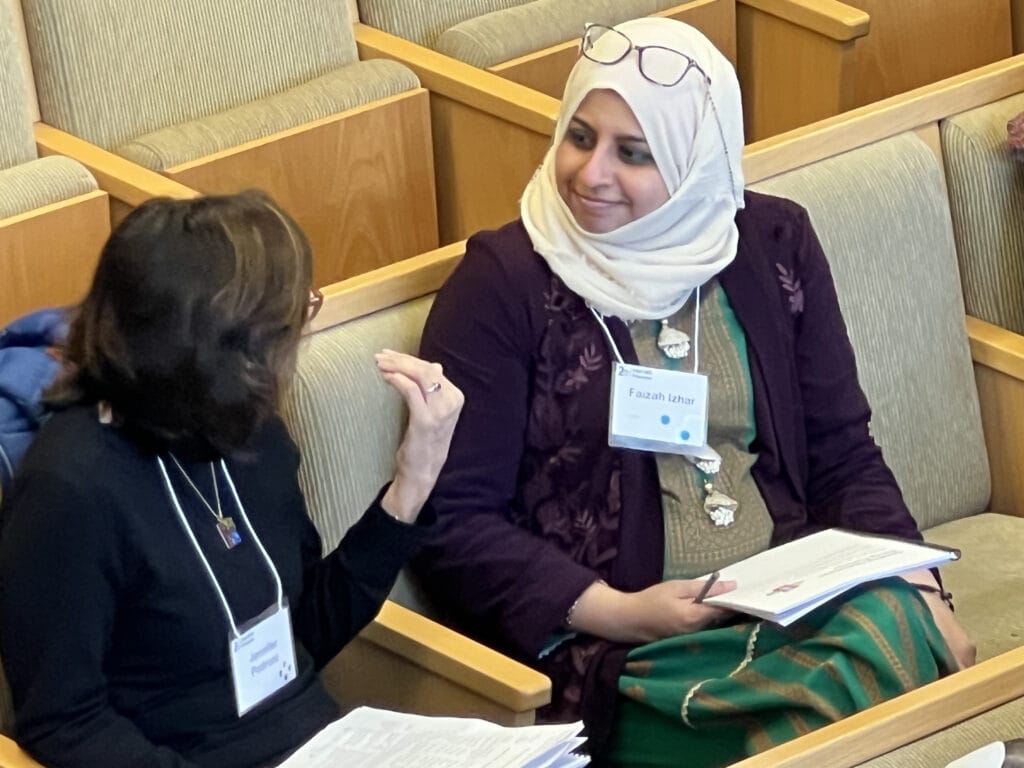
In small groups, participants compared variations within their own traditions. Christians discussed differences across denominations. Muslims shared how their practices vary. Jewish and Latter-day Saint participants spoke about navigating misunderstanding and visibility. Some people were firmly rooted in faith; others were searching or unsure. What mattered was not agreement, but the tone: curious, respectful, and kind.
One of our hopes is that even a single visit like this can shift how people respond to fear-based narratives. That when someone hears Islamophobic rhetoric or sweeping claims about Muslims, they can say, “That doesn’t match what I’ve seen. I’ve been to a mosque. I know these women. They are kind. They are joyful. They are my neighbors.” If that happens, even once, we consider the program a success.
These gatherings aren’t always perfect. Sometimes the conversations are hard. Painful questions surface—intrafaith conflicts emerge, misunderstandings are brought to light. There are tender questions: about prayer, ritual, and how Muslim prayer compares to Catholic or Jewish practices. One year, someone even asked for a samosa recipe. These moments, awkward and earnest, are part of what it means to learn how to be with one another authentically.
One Jewish participant shared that she arrived feeling nervous—about being in a mosque, about being visibly Jewish, about safety. She was surprised by how welcome she felt. Others commented on the warmth and joy of the Muslim women, on how clearly connected they were to one another. Panelists addressed stereotypes about Muslim women being oppressed, speaking instead about the ways their faith empowers them. Participants observed that some women wore hijab full-time, others only during prayer, and that both expressions were wholeheartedly Muslim.
In a world that often flattens people into symbols or threats, these distinctions matter.
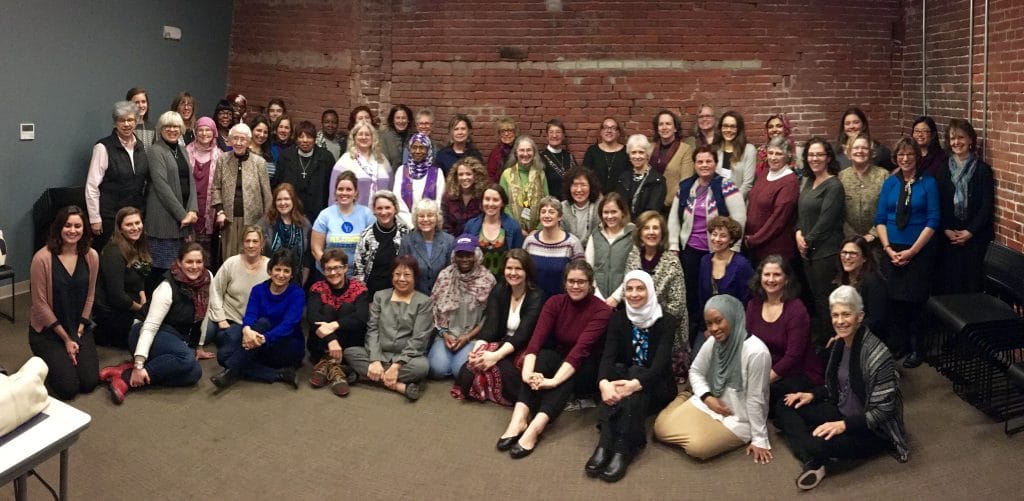
Being an interfaith facilitator right now means holding hope and heartbreak at the same time. It means believing that relationships can do what rhetoric cannot. It means trusting that seeing one another fully—messy, funny, grieving, faithful, human—can slowly change how we move through the world.
The world may feel like it’s on fire. But in rooms like that mosque, I saw something else quietly at work: people learning, one conversation at a time, how to be neighbors again.