Practice Curiosity: How to ask better questions, notice assumptions, and learn across faith traditions
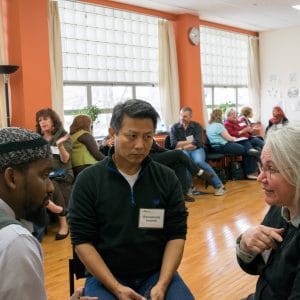
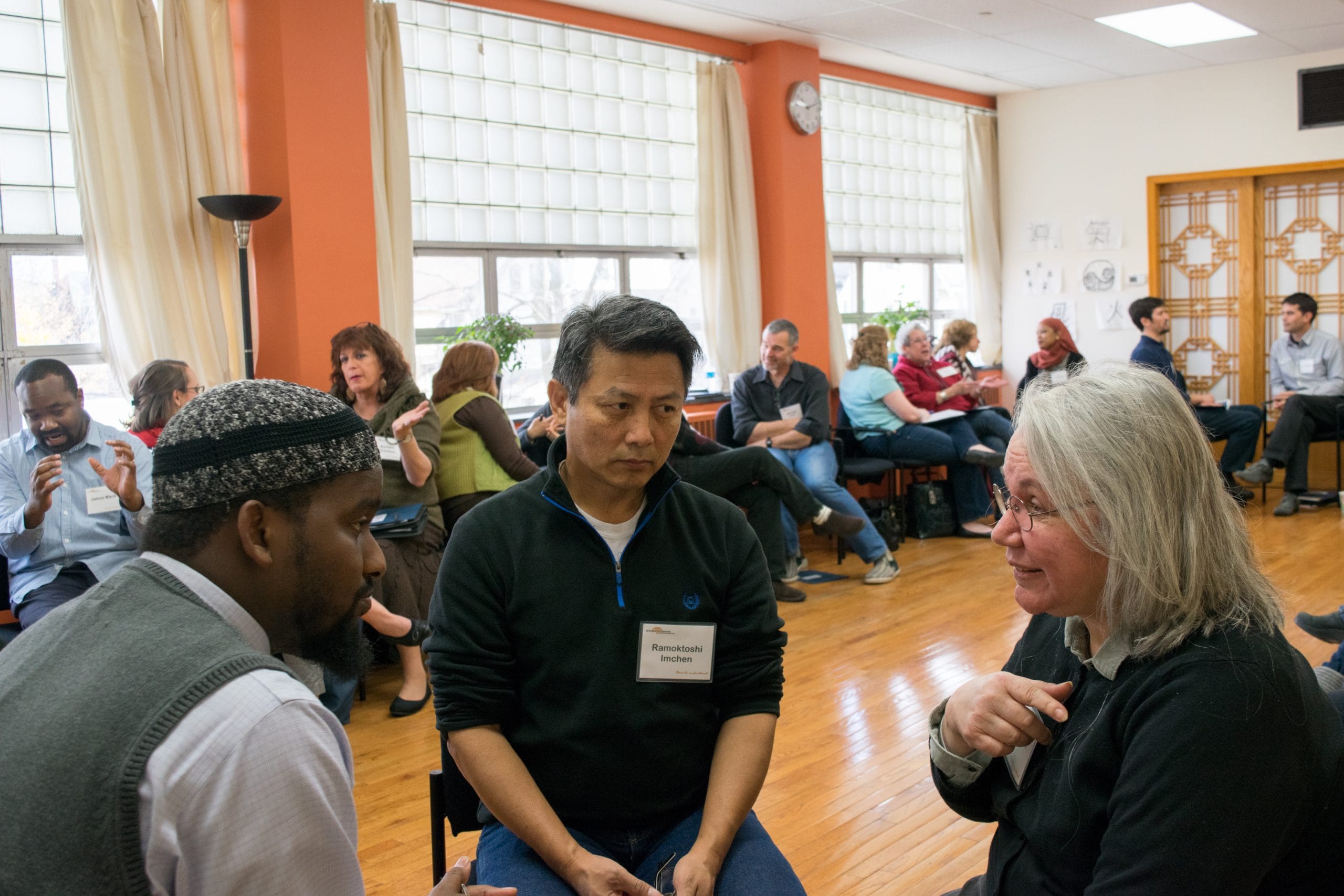
Curiosity is an essential starting point for meaningful connection across differences. In this introductory course, you’ll explore the skills and practices that help us approach conversations about faith, identity, and lived experience with greater awareness and openness. Together, we’ll examine how the language we use shapes understanding, how the same words can hold different meanings for different people, and what makes a question thoughtful, respectful, and genuinely curious.
What you will learn:
- Develop greater awareness of language and assumptions by exploring how the words and terms we use can carry different meanings, histories, and experiences for different people.
- Strengthen your ability to ask thoughtful questions by considering how questions can invite openness, create connection, or unintentionally create barriers.
- Practice the art of curious inquiry through opportunities to develop and refine questions that communicate respect, openness, and a genuine desire to understand.
- Deepen your self-awareness and understanding of others by recognizing that learning across differences is not only about discovering someone else’s perspective—it is also an opportunity to reflect on your own experiences, assumptions, and ways of seeing the world.
Whether you are beginning a journey of religious understanding, working in a diverse community, or simply seeking to become a more curious neighbor, this course offers practical tools you can begin using right away.
Earn a Certificate in Religious Literacy and Interfaith Engagement
The Certificate in Religious Literacy and Interfaith Engagement equips professionals, educators, nonprofit leaders, clergy, healthcare providers, and others with the knowledge and skills to better understand the religious beliefs, practices, and traditions that shape our world. This program is essential for those wanting to navigate conversations, relationships, and workplaces across faith differences with confidence and respect.
To earn the Certificate in Religious Literacy and Interfaith Engagement, register for one Practice Curiosity session and a minimum of five Everyday Faith sessions.
Practice Curiosity (Choose 1)
Everyday Faith (Choose at Least 5)
- Thursday, September 3, 4:00-5:30 — Judaism
Wednesday, November 11, 4:00–5:30 PM — Indigenous Traditions
Thursday, December 10, 4:00–5:30 PM — The Church of Jesus Christ of Latter-day Saints
- Wednesday, May 12, 4:00–5:30 PM — Quakerism