By Rev. Edward Livingston, Director of Community Partnerships.
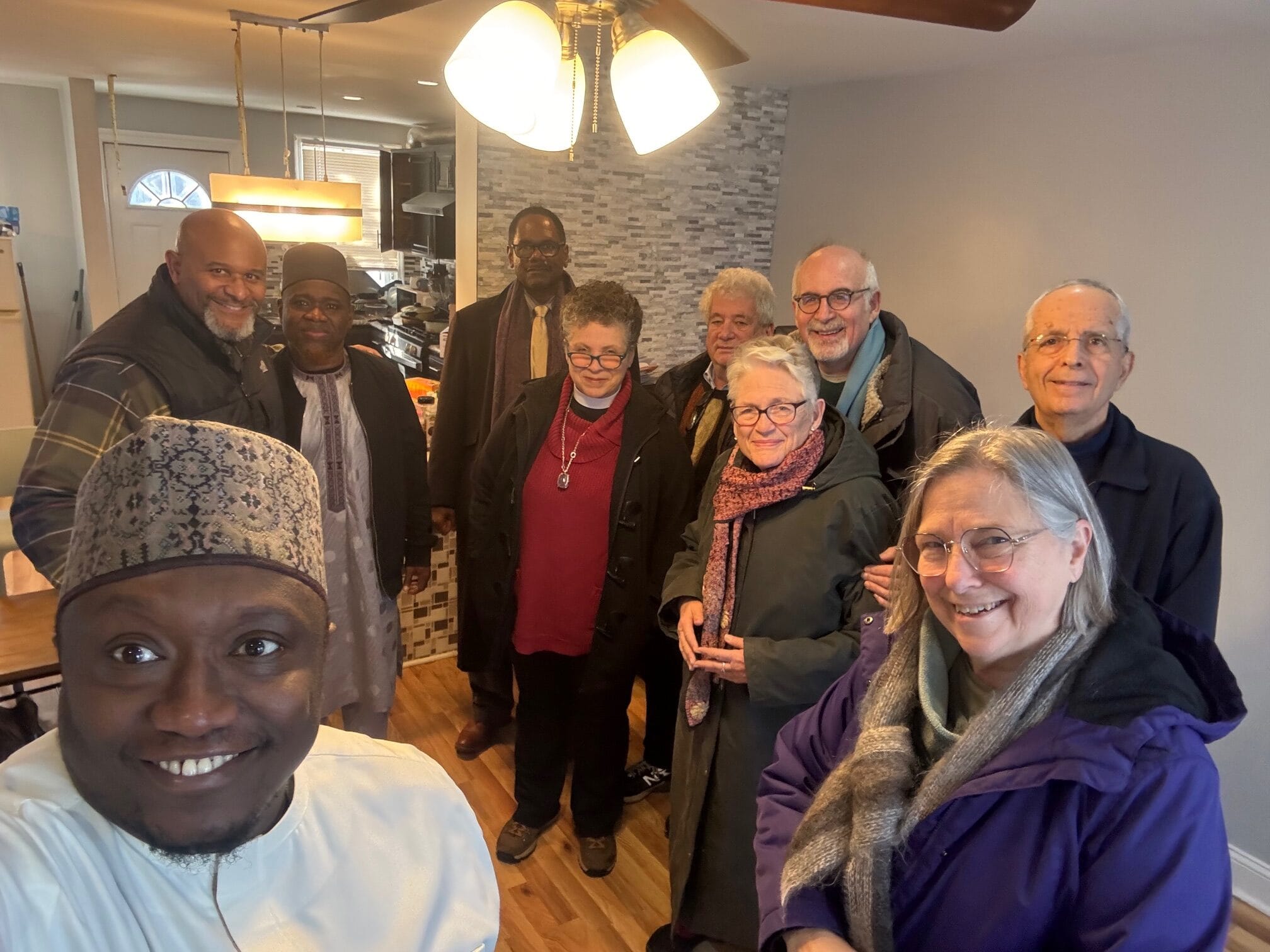
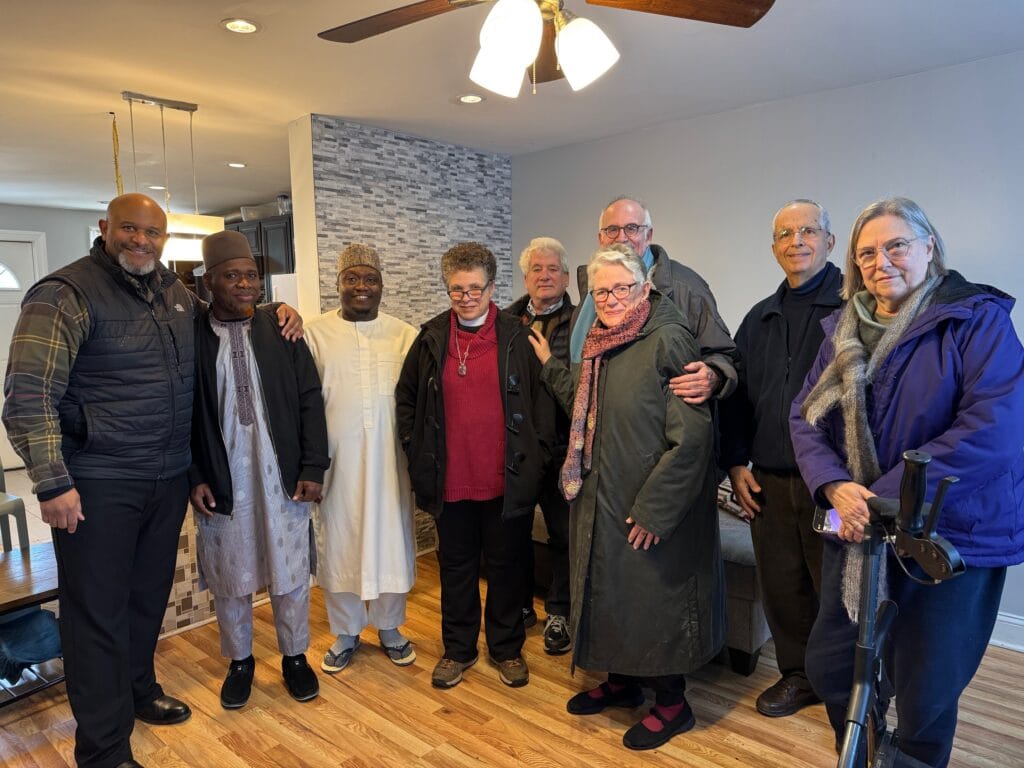
Although December 16 was a frigid day, the sunshine was warm as a dozen people gathered to walk a vibrant business corridor of Africatown in Southwest Philadelphia. We were there as part of the Religious Leaders Council of Greater Philadelphia’s Love Thy Neighbor Walks, a public demonstration of solidarity and compassion.
Local Imams welcomed and opened their homes to rabbis, pastors, board members, and staff of the Religious Leaders Council. They also introduced us to owners of local shops, where prayers were offered, greetings exchanged, and stories shared of joy and resilience, and of the fear that shadows daily life as immigrants amid detention and deportation pressures.
Participants in the Love Thy Neighbor Walks named both heartbreak and hope—grief for the risks our neighbors endure, and gratitude for the extraordinary hospitality, generosity, and mutual care they offer one another.
One “auntie” spoke with pride of her son’s and daughter’s service in the U.S. Armed Forces. Others shared that, despite being compliant and engaged in the legal process of naturalization, neighbors have been detained after appearing for scheduled court appointments. Business owners described an increase in empty shops as customers stay home, fearful of arrest.
During the Love Thy Neighbor Walks, designed to listen and learn directly from immigrant neighbors, participants named both heartbreak and hope, grief for the risks our neighbors endure, and gratitude for the extraordinary hospitality, generosity, and mutual care we offer one another. The wisdom we carried home was clear: understanding our neighbors is essential to a healthy community. Words that heal restore both speaker and listener. Acts of loving our neighbor help create a community where all are seen, valued, and welcomed.
Related article:
Love Thy Neighbor Walks: A Demonstration of Solidarity and Compassion